Does Coconut Oil Pulling Actually Work? A Holistic Dentist Explains
Can swishing coconut oil around your mouth really improve your oral health? Discover what the scientific evidence says about coconut oil pulling, its potential benefits for gums and bacteria, and whether this popular natural remedy deserves a place in your dental care routine.
From TikTok wellness trends to traditional Ayurvedic medicine, coconut oil pulling has attracted considerable attention as a natural way to support oral health.
Supporters claim it can whiten teeth, reduce harmful bacteria, prevent cavities, freshen breath and even remove toxins from the body. But how much of this is supported by science?
The short answer: Coconut oil pulling may slightly reduce plaque and gum inflammation, but the clinical evidence is weak. There is no convincing evidence that it whitens teeth, reverses cavities or detoxifies the body. It is not a replacement for brushing, interdental cleaning or professional dental care.
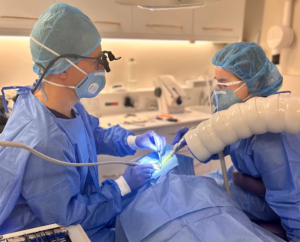
At Optimal Dental Health, a holistic and biological dental practice in Baker Street, London, we believe in exploring the relationship between oral health and whole-body wellbeing while remaining guided by clinical evidence.
Natural remedies can be interesting, but natural does not automatically mean effective.
Does Coconut Oil Pulling Actually Work?
Small studies suggest possible benefits for plaque and gingival inflammation, but there is insufficient high-quality evidence that coconut oil pulling prevents cavities, treats periodontitis or whitens teeth. It should only be considered an addition to established oral hygiene practices. [1] [2]
What Is Coconut Oil Pulling?
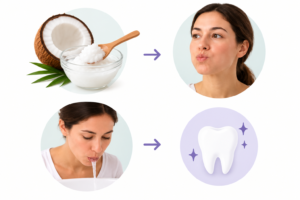
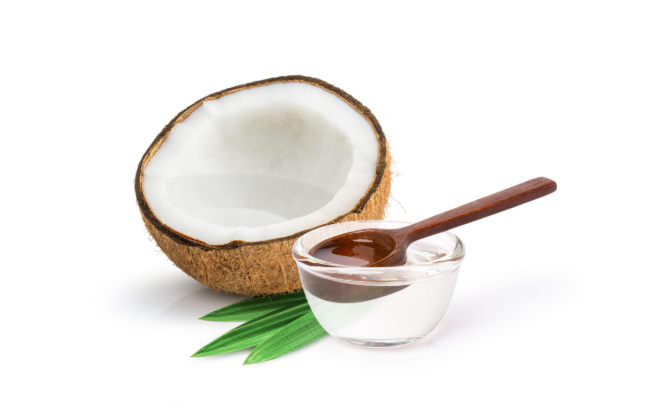
Oil pulling is a traditional oral cleansing practice associated with Ayurvedic medicine, a system of healthcare originating in India. The technique involves placing edible oil in the mouth and gently swishing it around the teeth and gums before spitting it out.
Traditionally, sesame or sunflower oil was often used. Today, coconut oil is particularly popular. A typical oil pulling routine involves swishing a small amount of coconut oil around the mouth for several minutes, sometimes for as long as 15 to 20 minutes.
The practice is promoted as a way to remove bacteria, improve oral hygiene and support healthier gums. However, it is important to distinguish traditional use from clinically demonstrated benefits.
Why Coconut Oil? Understanding Lauric Acid

One reason coconut oil has attracted scientific interest is its fatty acid composition. Coconut oil contains a high proportion of saturated fatty acids, including lauric acid, a medium-chain fatty acid investigated for its antimicrobial properties.
Laboratory research suggests that lauric acid and certain related compounds can affect some microorganisms under experimental conditions.
This has led to interest in whether coconut oil might influence bacteria living in the mouth. However, an important distinction must be made.
Although lauric acid has shown antimicrobial activity in laboratory studies, this does not establish that coconut oil pulling prevents dental disease in humans. Larger, well-designed clinical trials are needed.
What Does the Science Say About Coconut Oil Pulling?
Although research into oil pulling has increased, the quality and consistency of the available evidence remain important limitations.
1. Coconut Oil Pulling and Plaque Reduction
Dental plaque is a structured biofilm containing bacteria and other microorganisms that adhere to the surfaces of teeth. When plaque accumulates, it can contribute to gingivitis, tooth decay and, in susceptible individuals, periodontal disease.
A 2020 systematic review published in Heliyon examined four randomised controlled trials involving 182 participants. The researchers reported some improvements in plaque scores and salivary bacterial counts among participants using coconut oil pulling.
However, the studies were relatively small, lasted only 7 to 14 days and had methodological limitations. The authors concluded that more rigorous research was needed before firm conclusions could be drawn.
A separate systematic review and meta-analysis published in the International Journal of Dental Hygiene in 2024 examined 25 trials involving 1,184 participants.
It found possible improvements in gingival health associated with oil pulling. However, chlorhexidine was more effective at reducing plaque, and the overall certainty of the evidence was rated very low. Importantly, this review included different edible oils, not coconut oil alone. [2]
2. Can Coconut Oil Pulling Improve Gum Health?
Gingivitis is inflammation of the gums, commonly associated with plaque accumulation around the gumline. Typical symptoms include redness, swelling and bleeding when brushing or flossing.
Some studies suggest that oil pulling may improve certain measures of gingival inflammation.
For example, a 2024 study involving 40 participants with gingivitis investigated coconut and sesame oil pulling alongside routine oral hygiene over 30 days. Both groups experienced reductions in measured plaque and gingival inflammation scores. [3]
These findings are interesting, but the study was small and did not establish that coconut oil was superior to conventional oral hygiene or that it could treat established periodontal disease. It is also important to distinguish gingivitis from periodontitis.
Periodontitis involves damage to the tissues supporting the teeth and may lead to bone loss if left untreated. There is no convincing evidence that coconut oil pulling can reverse periodontal attachment loss, regenerate lost bone or replace professional periodontal treatment.
If your gums bleed regularly, professional assessment is more important than experimenting with home remedies. We recommend visiting a dental hygienist for a deeper investigation.
3. Does Coconut Oil Pulling Kill Harmful Oral Bacteria?
One of the most frequently discussed potential benefits of coconut oil pulling is its effect on Streptococcus mutans.
This bacterium is associated with dental caries because it can metabolise sugars and produce acids that contribute to enamel demineralisation. A randomised clinical trial published in 2016 investigated coconut oil pulling and chlorhexidine mouthwash in 60 participants.
The study reported a reduction in salivary S. mutans counts following coconut oil pulling over two weeks. [4]
Although encouraging, a reduction in one bacterial species does not necessarily demonstrate a reduction in future cavities. Dental caries is a multifactorial disease influenced by diet, oral hygiene, saliva and the activity of the wider microbial community. Reducing bacterial counts is not the same as proving that a treatment prevents tooth decay.
Coconut Oil Pulling and the Oral Microbiome: Is Removing Bacteria Always Beneficial?
This is where the discussion becomes particularly interesting from a biological dentistry perspective. Your mouth contains a complex community of bacteria, fungi and other microorganisms collectively known as the oral microbiome.
Many oral microorganisms are beneficial or harmless. Disease can develop when the oral environment favours microbial imbalance, known as dysbiosis. Rather than attempting to eliminate bacteria, the goal should be to support a balanced oral microbiome through good plaque control, reduced sugar frequency and healthy saliva function.
Although some oil pulling studies have measured changes in specific bacterial populations, we do not yet have sufficient evidence to establish how coconut oil pulling affects the wider oral microbiome over time.
It would therefore be premature to claim that oil pulling restores microbiome balance or selectively removes harmful bacteria while preserving beneficial species.
Expert Insight: Dr James Goolnik
“The biggest misconception is that coconut oil pulling can reverse tooth decay. There is no clinical evidence that it can reverse cavities or regenerate lost tooth structure. While some small studies suggest it may help reduce plaque and gingival inflammation, the evidence is limited.
From a biological dentistry perspective, we should focus on nurturing a healthy, balanced oral microbiome rather than trying to eliminate bacteria. That means reducing frequent sugar exposure, eating a nutrient-rich diet, supporting healthy saliva flow, cleaning effectively between teeth and brushing twice daily.
Oil pulling is an optional addition to an oral care routine, but it is certainly not a substitute for evidence-based preventive dentistry.”
Does Coconut Oil Pulling Whiten Teeth?
One of the most popular claims on social media is that coconut oil pulling naturally whitens teeth. Unfortunately, there is no convincing clinical evidence that it produces meaningful tooth whitening.
Coconut oil does not contain an established tooth-bleaching ingredient comparable to the peroxide-based agents used in professional whitening treatments.
Some people may feel their teeth look cleaner after oil pulling, but this should not be confused with changing the intrinsic colour of the teeth. The American Dental Association states that reliable evidence is lacking to demonstrate that oil pulling whitens teeth or prevents cavities. [5]
If you are concerned about staining or tooth discolouration, the first step is to identify the cause.
Surface staining, natural tooth colour, enamel wear and discolouration within the tooth can require different approaches. At Optimal Dental Health, our approach to teeth whitening focuses on protecting natural tooth structure and selecting clinically appropriate treatments following an assessment.
Can Coconut Oil Pulling Help Bad Breath?
Bad breath, also known as halitosis, can have several causes. These include:
- Bacterial accumulation on the tongue.
- Gum inflammation or periodontal disease.
- Food debris trapped between teeth.
- Reduced saliva flow and dry mouth.
- Dental infections or untreated decay.
- Certain medical conditions.
Some oil pulling studies suggest changes in oral bacterial counts, but there is insufficient evidence to establish coconut oil pulling as a reliable treatment for persistent halitosis.
More importantly, bad breath is often a symptom rather than a standalone problem. Masking the smell without investigating its cause may delay appropriate treatment.
The NHS recommends regular toothbrushing, interdental cleaning, gentle tongue cleaning and dental assessment when bad breath persists. [6]
At Optimal Dental Health, we use live plaque microscopy and other assessments, where clinically indicated, to help patients better understand their oral hygiene and microbial findings.
Does Coconut Oil Pulling Detoxify the Body?
Another frequently repeated claim is that coconut oil pulling draws toxins out of the bloodstream or detoxifies the body.
There is no credible clinical evidence that oil pulling removes systemic toxins or provides a whole-body detoxification effect.
The body already has sophisticated systems for processing and eliminating substances, particularly involving the liver and kidneys. While oral health is connected to general health, this does not mean that every oral hygiene technique produces systemic benefits.
The relationship between oral inflammation and whole-body health is an important area of research, but claims about oil pulling improving cardiovascular health, hormone balance or immunity have not been established.
A holistic approach should consider the whole person without making claims beyond the available evidence.
Is Coconut Oil Pulling Safe?
For most healthy adults, gently swishing a small amount of food-grade coconut oil is unlikely to cause significant problems. However, there are precautions worth considering.
- Do not swallow the oil intentionally. Swallowing larger quantities may cause digestive discomfort.
- Avoid vigorous or prolonged swishing if it causes jaw discomfort. This may be particularly relevant for people with temporomandibular joint problems.
- Avoid the practice if you have swallowing difficulties or are at risk of aspiration. Inhaling oily substances into the lungs can cause complications.
- Do not use it as a replacement for dental treatment. Bleeding gums, toothache and persistent bad breath require appropriate assessment.
- Do not encourage young children to oil pull. They may struggle to swish and spit safely.
People with coconut allergies should also avoid coconut oil.
How to Try Coconut Oil Pulling Without Compromising Your Oral Health
If you enjoy coconut oil pulling and would like to continue, it is important to treat it as an optional addition rather than an essential part of oral healthcare. There is no clinically established ideal quantity or duration.
If you choose to try it:
- Use a small amount of plain, food-grade coconut oil.
- Swish gently rather than forcefully, stopping if you experience discomfort.
- Spit the oil into a tissue or bin rather than swallowing it.
- Continue your usual toothbrushing and interdental cleaning routine.
- Avoid using oil pulling immediately after brushing if it would rinse away the protective toothpaste residue.
You do not need to swish for 20 minutes to maintain good oral health, and there is no established evidence that longer sessions produce better clinical outcomes.
What Actually Makes the Biggest Difference to Oral Health?
Rather than relying on a single natural remedy, it is more useful to focus on the daily habits that have the strongest evidence behind them.
| Oral health habit | Why it matters |
| Brushing twice daily | Removes plaque from accessible tooth surfaces |
| Using an appropriate toothpaste | Supports enamel protection and caries prevention |
| Cleaning between teeth daily | Removes plaque where toothbrush bristles cannot reach effectively |
| Managing sugar frequency | Reduces repeated acid challenges to enamel |
| Supporting normal saliva function | Helps protect oral tissues and maintain the oral environment |
| Regular dental and hygiene assessments | Identifies developing problems and allows personalised prevention |
UK guidance recommends brushing twice daily with toothpaste, cleaning between the teeth and avoiding rinsing immediately after brushing. [7]
Patients who prefer alternative toothpaste formulations should discuss the available evidence and their individual caries risk with their dentist rather than assuming every natural product offers equivalent protection.
A Holistic Dentist’s Perspective: Looking Beyond Coconut Oil
At Optimal Dental Health, we look beyond individual products to understand how nutrition, lifestyle, oral hygiene and the oral microbiome contribute to each patient’s dental health. Our focus is identifying the underlying causes of problems, rather than recommending remedies simply because they are natural.
Our biological dental hygiene approach may include:
- Assessment of plaque and gum health.
- Live plaque microscopy where appropriate.
- Personalised advice on toothbrushing and interdental cleaning.
- Consideration of diet and lifestyle factors.
- Professional cleaning tailored to individual needs.
- Oral microbiome testing when clinically indicated.
The aim is to understand the underlying contributors to oral disease and develop a practical, personalised prevention plan.
Coconut oil pulling may be something a patient enjoys, but it should not distract from identifying and treating genuine dental problems.
Understanding Your Oral Bacteria Through Live Plaque Microscopy
We believe that understanding your oral environment is an important part of maintaining healthy teeth and gums. As part of our biological dental hygiene approach, we may use live plaque microscopy to help patients visualise microorganisms present in samples of their dental plaque.
By examining plaque under a microscope, patients can observe microbial activity and gain a better understanding of the complex communities of microorganisms living within their mouths.
This can provide a valuable educational opportunity, helping patients understand why effective plaque control, personalised oral hygiene and preventive dental care are so important.
However, live plaque microscopy is not a standalone diagnostic test for gum disease or oral microbiome imbalance. It cannot reliably identify every bacterial species, determine whether someone has oral dysbiosis or replace established clinical assessments of periodontal health.
Where appropriate, our holistic clinicians in London may combine microscopy with comprehensive gum assessments, personalised oral hygiene advice and other clinically indicated investigations.
Frequently Asked Questions About Coconut Oil Pulling
Does coconut oil pulling really work?
Some small studies suggest that coconut oil pulling may reduce certain bacterial counts and improve measures of plaque or gum inflammation. However, the overall evidence remains limited and of low or very low certainty. It should not replace established oral hygiene practices.
Can coconut oil pulling reverse cavities?
No. There is no convincing clinical evidence that coconut oil pulling reverses cavities or restores lost tooth structure. Early enamel demineralisation may sometimes be managed through appropriate remineralisation strategies, but established cavities require professional assessment.
Does coconut oil pulling remove plaque?
Some clinical trials have reported improvements in plaque scores. However, the evidence is inconsistent, and coconut oil pulling is not an established substitute for mechanical plaque removal with a toothbrush and interdental cleaning aids.
Does coconut oil pulling whiten teeth?
There is no reliable evidence that coconut oil pulling produces meaningful tooth whitening. Professional whitening treatments use different mechanisms and should be selected following an assessment of the teeth and gums.
How often should you do coconut oil pulling?
There is no clinically established optimal frequency for coconut oil pulling. Studies have used different protocols, and there is insufficient evidence that daily or prolonged oil pulling produces better oral health outcomes. If you choose to practise it, treat it as optional rather than essential.
Is coconut oil pulling good for gum disease?
It may have modest effects on certain measures of gum inflammation, but it has not been demonstrated to treat periodontitis or reverse the tissue and bone damage associated with advanced gum disease.
Is coconut oil pulling better than mouthwash?
Not necessarily. A 2024 systematic review found that chlorhexidine was more effective at reducing plaque than oil pulling, although the certainty of the evidence was very low. Chlorhexidine itself is generally used for specific clinical indications rather than as an automatic long-term daily rinse.
Does coconut oil pulling help the oral microbiome?
It may influence certain oral bacterial counts, but there is insufficient evidence to establish whether it produces beneficial long-term changes in the overall oral microbiome.
Should I oil pull before or after brushing?
If you choose to oil pull, do not let it replace brushing or interdental cleaning. Avoid doing it immediately after toothbrushing, when rinsing may remove residual protective toothpaste ingredients.
The Final Verdict: Is Coconut Oil Pulling Worth It?
Coconut oil pulling may offer modest benefits for plaque and gingival inflammation, but the evidence remains limited. It has not been shown to whiten teeth, reverse cavities, detoxify the body or treat periodontitis.
If you enjoy oil pulling, there is no need to abandon it provided it is safe for you. However, a healthy oral microbiome depends far more on effective plaque control, nutrition, healthy saliva function and personalised preventive dental care.
Interested in Understanding Your Oral Microbiome?
Our clinicians and biological dental hygienists take a prevention-led approach to oral healthcare.
Whether you are concerned about bleeding gums, bad breath, plaque accumulation or the health of your oral microbiome, our team can help you understand the possible causes and discuss appropriate next steps.
Medical disclaimer: This article is intended for general educational purposes and does not replace personalised dental or medical advice.
You can Book a Dental Health Check or biological dental hygiene appointment at Optimal Dental Health, based in Baker Street, London.
About the Author: Dr James Goolnik

Clinical Director, Optimal Dental Health
Dr James Goolnik BDS MSc is the founder and Clinical Director of Optimal Dental Health in London. With over 30 years of clinical experience, he is an IAOMT-accredited biological dentist and qualified functional nutrition practitioner.
His approach combines minimally invasive dentistry, nutrition and evidence-informed prevention, with a particular interest in the oral microbiome and the relationship between oral and whole-body health.
Clinical References
[1] Woolley J, Gibbons T, Patel K, Sacco R. (2020). The effect of oil pulling with coconut oil to improve dental hygiene and oral health: A systematic review. Heliyon, 6(8), e04789.
https://pubmed.ncbi.nlm.nih.gov/32923724/
[2] Jong FJX, Ooi DJ, Teoh SL. (2024). The effect of oil pulling in comparison with chlorhexidine and other mouthwash interventions in promoting oral health: A systematic review and meta-analysis. International Journal of Dental Hygiene, 22(1), 78–94.
https://pubmed.ncbi.nlm.nih.gov/37635453/
[3] Bansal PV, et al. (2024). Effect of coconut and sesame oils on gingivitis. Bioinformation, 20(4), 368–372.
https://pubmed.ncbi.nlm.nih.gov/38854769/
[4] Kaushik M, et al. (2016). The Effect of Coconut Oil Pulling on Streptococcus mutans Count in Saliva in Comparison with Chlorhexidine Mouthwash. Journal of Contemporary Dental Practice, 17(1), 38–41.
https://pubmed.ncbi.nlm.nih.gov/27084861/
[5] American Dental Association. Oil Pulling. MouthHealthy.
https://www.mouthhealthy.org/all-topics-a-z/oil-pulling
[6] NHS. Bad breath.
https://www.nhs.uk/symptoms/bad-breath/
[7] NHS. How to keep your teeth clean.
https://www.nhs.uk/live-well/healthy-teeth-and-gums/how-to-keep-your-teeth-clean/