Why Do I Wake Up With a Dry Mouth? Causes and Treatment
The oral health causes you shouldn’t ignore
Why do I wake up with a dry mouth?
Waking up with a dry mouth is most commonly caused by mouth breathing during sleep, reduced saliva production, dehydration, certain medications or an underlying health condition.
While occasional dryness is perfectly normal, regularly waking with a dry, sticky mouth may increase your risk of tooth decay, gum disease, bad breath and an imbalance of your oral microbiome. Understanding the cause is the first step towards protecting both your oral health and your overall wellbeing. [1]
You wake up in the morning and your mouth feels dry, sticky or uncomfortable. Perhaps you reach straight for a glass of water, notice unpleasant morning breath or feel as though your tongue is coated.
At Optimal Dental Health in Baker Street, London, we look beyond the teeth to understand the bigger picture. A healthy mouth relies on far more than brushing alone.
Saliva, nasal breathing, sleep quality, nutrition and a balanced oral microbiome all work together to protect your teeth and gums.
Understanding why your mouth becomes dry overnight may help prevent future dental problems while also improving your overall health.
Why Is Saliva So Important?
Many people don’t realise just how remarkable saliva really is.
Far more than simply keeping your mouth moist, saliva is one of your body’s most important natural defence systems. Every day your salivary glands produce around one to one-and-a-half litres of saliva, helping to protect your mouth around the clock. [2]
Saliva helps to:
- Wash away food debris
- Neutralise acids produced by harmful bacteria
- Deliver calcium and phosphate to strengthen enamel
- Support the natural repair (remineralisation) of teeth
- Lubricate the mouth for comfortable speaking and swallowing
- Begin the digestion of food
- Help maintain a healthy balance of bacteria within the oral microbiome
Without enough saliva, your mouth becomes a much more favourable environment for harmful bacteria to thrive.
This is why people with persistent dry mouth often experience an increase in dental problems over time.
What Problems Can Dry Mouth Cause?
Because saliva provides so much natural protection, reduced saliva production can affect almost every aspect of oral health. [3]
Persistent dry mouth (also known as xerostomia) may contribute to:
- Bad breath (halitosis)
- Increased plaque build-up
- Tooth sensitivity
- A higher risk of tooth decay
- Gum inflammation and bleeding
- Mouth ulcers
- Oral thrush
- Cracked lips
- Sore or burning tongue
- Difficulty swallowing
- Changes in taste
- A disrupted oral microbiome
Many patients are surprised to discover that their recurring dental problems are linked not to poor brushing, but to a lack of saliva.
Why Does My Mouth Become Dry Overnight?
It’s completely normal for saliva production to slow down while you sleep.
In fact, your body intentionally produces less saliva overnight because you are no longer eating, drinking or speaking.
However, if your mouth is open during sleep, the reduced saliva evaporates much more quickly. Instead of remaining moist and protected, the tongue, gums and cheeks begin to dry out for several hours at a time.
Night after night, this repeated drying can gradually increase your risk of:
- Enamel erosion
- Tooth decay
- Gum disease
- Persistent bad breath
- Oral microbiome imbalance
This is why waking with a dry mouth every morning shouldn’t simply be dismissed as “not drinking enough water.”
Can Mouth Breathing Cause Dry Mouth?
Yes, and it is one of the most common causes we see. Your nose has evolved to do much more than simply allow air into your lungs.
Healthy nasal breathing helps to:
- Filter airborne particles
- Warm incoming air
- Add humidity
- Produce nitric oxide, which supports oxygen delivery throughout the body
- Protect the delicate tissues inside the mouth
When you breathe through your mouth instead, air continually passes across the tongue and soft tissues, causing moisture to evaporate. Even if you drink plenty of water during the day, mouth breathing can still leave you waking with a dry mouth every morning.
What Causes Mouth Breathing During Sleep?
There isn’t always a single cause. Several different factors may contribute, including:
- A blocked or congested nose
- Hay fever or seasonal allergies
- Enlarged tonsils
- A deviated nasal septum
- Poor tongue posture
- Narrow dental arches
- A restricted airway
- Sleeping flat on your back
- Habitual mouth breathing
- Snoring and bruxism
- Sleep-disordered breathing
Children and adults alike may develop mouth breathing habits over many years without ever realising it. If you are worried about you or your child’s breathing, our sleep and airway dentist, Dr Aoife Stack is on-hand to provide comprehensive airway assessments at Optimal Dental Health. [4]
Signs You May Be Sleeping With Your Mouth Open
Morning dry mouth is often just one clue. Other symptoms can include:
- Cracked lips
- Drooling on your pillow
- Snoring
- Morning headaches
- Feeling tired despite eight hours’ sleep
- Waking frequently during the night
- Sore throat on waking
- Bad breath first thing in the morning
If several of these symptoms sound familiar, it may be worth having your airway and breathing assessed rather than simply treating the dry mouth itself.
Could Dry Mouth Be a Sign of Sleep Apnoea?
Sometimes, yes. Obstructive Sleep Apnoea (OSA) is a condition in which the airway repeatedly narrows or closes during sleep.
Many people with sleep apnoea breathe through their mouth during the night, leading to persistent morning dryness.
Other signs include:
- Loud snoring
- Gasping or choking during sleep
- Waking feeling unrefreshed
- Excessive daytime tiredness
- Difficulty concentrating
- Morning headaches
- Frequent waking during the night
Not everyone with a dry mouth has sleep apnoea, but if these symptoms occur together, they should not be ignored.
Sleep-disordered breathing has been linked with an increased risk of high blood pressure, cardiovascular disease, type 2 diabetes and reduced quality of life.
At Optimal Dental Health, airway health forms an important part of our whole-person approach to dentistry because the way you breathe can influence both your oral and general health.
Can Medications Cause Dry Mouth?
Absolutely. One of the most common causes of chronic dry mouth is medication. Hundreds of commonly prescribed medicines list dry mouth as a potential side effect because they reduce saliva production.
These include some:
- Antihistamines
- Antidepressants
- Anti-anxiety medications
- Blood pressure medicines
- Decongestants
- Painkillers
- Bladder medications
- Muscle relaxants
The likelihood of experiencing dry mouth increases if you take several medications together.
If you’ve recently started a new medicine and notice that your mouth feels persistently dry, don’t stop taking it without medical advice. Instead, discuss the symptoms with your GP, pharmacist or dentist, as there may be ways to reduce the impact while continuing your treatment.
Could Your Oral Microbiome Be Affected?
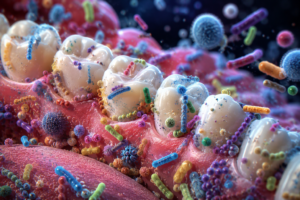
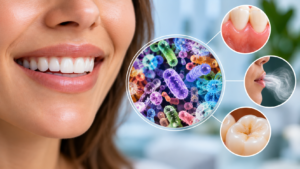
One of the lesser-known consequences of persistent dry mouth is its effect on the oral microbiome, the community of bacteria, fungi and other microorganisms that naturally live in your mouth.
A healthy oral microbiome is incredibly diverse and plays an important role in protecting your teeth, gums and even your overall health. Saliva helps maintain this delicate balance by washing away excess bacteria, delivering antimicrobial proteins and keeping the environment stable.
When saliva production is reduced, harmful bacteria can begin to dominate.
This imbalance, known as oral dysbiosis, has been linked to:
- Tooth decay
- Gum disease
- Persistent bad breath
- Increased plaque formation
- Oral thrush
- Chronic inflammation
Emerging research also suggests that an unhealthy oral microbiome may be associated with wider health conditions, including cardiovascular disease, diabetes and systemic inflammation. [2]
At Optimal Dental Health, we can assess your oral microbiome as part of a comprehensive oral health assessment, helping us understand not only what bacteria are present, but whether your mouth is showing early signs of imbalance before significant disease develops.
What Else Can Cause Dry Mouth Overnight?
Although mouth breathing is one of the most common causes, several other factors can reduce saliva production while you sleep. These include:
Dehydration
Not drinking enough fluids during the day is an obvious cause, particularly during warmer weather or after exercise. However, constantly sipping water immediately before bed may simply increase the likelihood of waking during the night to use the bathroom.
Aim to stay well hydrated throughout the day and reduce large amounts of fluid during the final 60–90 minutes before bedtime.
Alcohol
Alcohol contributes to dehydration and also relaxes the muscles around the airway, making snoring and mouth breathing more likely.
If you regularly wake with a dry mouth after drinking alcohol, this may be part of the explanation.
Smoking and Vaping
Both smoking and vaping can dry and irritate the tissues inside the mouth while increasing the risk of gum disease and oral cancer.
Many smokers mistakenly assume that morning dryness is simply “normal”, when it may actually be contributing to ongoing oral health problems.
Medical Conditions
Persistent dry mouth may occasionally be associated with underlying medical conditions, including:
- Diabetes
- Sjögren’s syndrome
- Rheumatoid arthritis
- Parkinson’s disease
- Previous radiotherapy to the head and neck
- Hormonal changes during menopause
If your symptoms are severe, persistent or worsening, it is important to involve your GP so that any underlying medical causes can be investigated.
How Can I Stop Waking Up With A Dry Mouth?
The best treatment depends on the underlying cause. Rather than simply masking the symptoms, focus on improving the factors contributing to dry mouth in the first place.
Practical steps include:
- Drink water consistently throughout the day.
- Avoid excessive alcohol, particularly in the evening.
- Seek advice if you have ongoing nasal congestion.
- Consider using a humidifier if your bedroom is particularly dry.
- Sleep on your side if appropriate, as this may reduce snoring for some people.
- Brush twice daily with a well-formulated hydroxyapatite toothpaste suited to your individual needs. Something like Dimples toothpaste.
- Clean between your teeth every day using interdental brushes or floss.
- Gently clean your tongue to reduce bacterial build-up.
- Choose sugar-free chewing gum or products containing xylitol during the day to help stimulate saliva production.
- Avoid sugary sweets or acidic lozenges, which may worsen tooth decay despite temporarily relieving dryness.
These measures can help reduce symptoms, but persistent dry mouth should always be investigated rather than simply managed.
Can Hydroxyapatite Toothpaste Help?
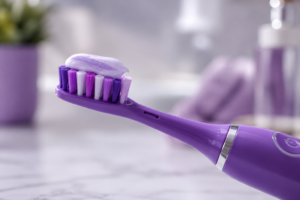
If your mouth is dry overnight, your teeth spend longer without saliva’s natural protection.
Hydroxyapatite toothpaste can help support enamel during this time by encouraging remineralisation, the natural repair process that replaces minerals lost through acid exposure. Unlike saliva, however, toothpaste cannot replace reduced salivary flow or correct mouth breathing. Think of it as supporting your teeth while you address the underlying cause.
When Should You See A Dentist?
Occasional dry mouth after a poor night’s sleep or a hot summer evening is usually nothing to worry about.
However, you should arrange an assessment if you:
- Wake with a dry mouth most mornings.
- Notice persistent bad breath despite good oral hygiene.
- Experience frequent tooth decay.
- Have bleeding or swollen gums.
- Develop mouth ulcers or soreness.
- Notice changes in taste.
- Have difficulty swallowing.
- Frequently snore or wake gasping during the night.
- Feel tired despite getting enough sleep.
A holistic dentist in London can help identify whether your symptoms are related to your oral health, breathing, medications or another underlying issue.
At Optimal Dental Health in Baker Street, London, we take a whole-person approach to dentistry, considering how your breathing, sleep, oral microbiome, nutrition and lifestyle may all be influencing your oral health.
Frequently Asked Questions
Why do I wake up with a dry mouth every morning?
The most common causes are mouth breathing during sleep, reduced saliva production, dehydration, certain medications and underlying health conditions. Persistent symptoms should be assessed by a dentist or GP.
Is dry mouth at night a sign of dehydration?
Sometimes, but not always. Many people who are well hydrated still wake with a dry mouth because they breathe through their mouth while sleeping or have reduced saliva production.
Can mouth breathing damage my teeth?
Yes. Mouth breathing dries the mouth, reducing saliva’s protective effects and increasing the risk of tooth decay, gum disease, enamel erosion and bad breath.
Can dry mouth cause bad breath?
Yes. Saliva naturally washes away bacteria and food debris. When saliva is reduced, bacteria multiply more easily, often leading to persistent bad breath.
Is dry mouth linked to sleep apnoea?
It can be. People with obstructive sleep apnoea often breathe through their mouth during sleep and may wake with a dry mouth, snoring, headaches and daytime fatigue.
What toothpaste is best for dry mouth?
A fluoride or hydroxyapatite toothpaste can help protect enamel by supporting remineralisation. However, treating the underlying cause of dry mouth remains the most important step.
Should I tape my mouth at night?
Mouth taping should not be used to bypass nasal obstruction or suspected sleep-disordered breathing. Persistent mouth breathing, snoring or gasping should be assessed before considering any device intended to keep the lips closed.
Can stress cause dry mouth?
Yes. Stress and anxiety can temporarily reduce saliva production, and some medications used to treat anxiety may also contribute to dry mouth.
Should I worry about waking with a dry mouth?
Occasional dryness is usually harmless. However, if it happens regularly or is accompanied by tooth decay, bleeding gums, snoring or persistent fatigue, it’s worth seeking professional advice.
Take The Next Steps:
Your mouth is often one of the first places to show that something isn’t quite right.
Although waking with a dry mouth may seem like a minor inconvenience, it can be an early warning sign of mouth breathing, reduced saliva production, medication side effects or an underlying health condition affecting both your oral and general wellbeing.
By identifying the cause early, it’s often possible to reduce the risk of tooth decay, gum disease, oral microbiome imbalance and disrupted sleep before they become more significant problems. If you regularly wake with a dry mouth, don’t ignore it.
At Optimal Dental Health in Baker Street, London, we take a preventative, whole-person approach to oral health. Our comprehensive assessments consider your teeth, gums, oral microbiome, breathing, airway health and lifestyle, helping us identify the root cause rather than simply treating the symptoms.
If you’re concerned about persistent dry mouth or would like a comprehensive oral health assessment, we’d be delighted to help.
About the Author: Dr James Goolnik

Dr James Goolnik BDS MSc is the Founder and Clinical Director of Optimal Dental Health in Baker Street, London. With more than 30 years of clinical experience, he has a particular interest in biological dentistry, oral-systemic health, the oral microbiome, nutrition, breathing, sleep and preventative dental care.
Dr Goolnik lectures internationally on the links between oral and general health and is passionate about helping patients understand how small changes can have a significant impact on lifelong wellbeing.
Join Over 4,000 Health-Conscious Subscribers
Looking to stay up to date with the latest research on oral health, longevity and holistic dentistry?
Join more than 3,500 subscribers who receive our regular newsletter packed with evidence-based advice, expert oral health tips and the latest developments in biological dentistry.
You’ll receive:
- Practical tips to improve your oral and overall health
- The latest research on the oral microbiome and whole-body wellbeing
- Advice from Dr James Goolnik and our multidisciplinary team
- Early access to educational webinars, events and new blog articles
- Product recommendations and preventative health insights
Join our free monthly newsletter today and become part of a growing community taking a proactive approach to lifelong health.