Why Are My Teeth See-Through? Causes & Treatment for Translucent Teeth
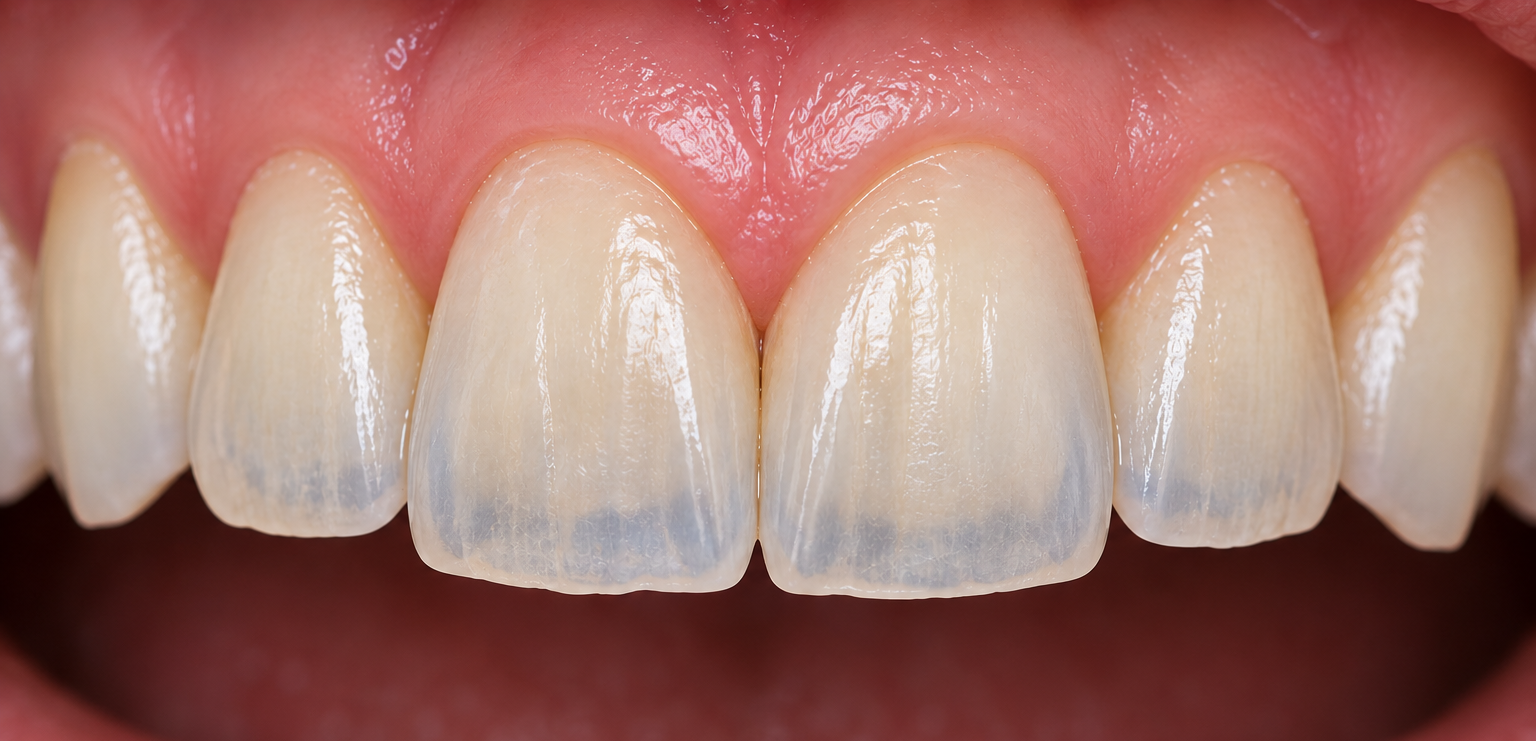
If the edges of your front teeth are starting to look see-through, transparent or glass-like, you may be wondering whether this is normal or a sign that your enamel is thinning. Enamel naturally allows some light to pass through it, particularly at the biting edges of the front teeth where there is less underlying dentine.
However, if your teeth seem to be becoming more transparent, or you have also noticed sensitivity, yellowing, thinning, chipping or changes in the shape of your teeth, it could indicate enamel erosion or another form of tooth wear.
At Optimal Dental Health in Baker Street, London, we don’t just look at how the tooth appears. We want to understand why it has changed.
Diet, acid reflux, saliva, grinding, your bite, lifestyle and even aspects of your wider health can all be relevant when investigating tooth wear.
Identifying the cause early gives us the best opportunity to protect your remaining natural tooth structure and prevent further damage.
Quick answer: Slightly translucent edges on your front teeth can be normal. But teeth that are becoming progressively more transparent, sensitive, yellow, thin or chipped should be assessed by a dentist because these changes can be associated with enamel erosion or tooth wear.
What Does It Mean When Your Teeth Look See-Through?
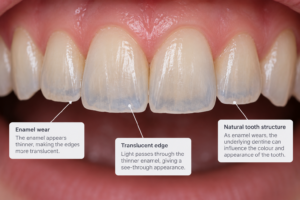
Your teeth consist of several different layers. Enamel forms the hard outer surface of the crown of your tooth. Underneath it sits dentine, which is naturally more yellow or cream in colour.
Although enamel is the hardest substance in the human body, it isn’t completely opaque. Light can pass through it to a certain degree.
This is particularly noticeable around the incisal edges, the biting edges of your front teeth. There may be little or no dentine directly behind the enamel here, which can give healthy teeth a slightly blue, grey or translucent appearance.
So, seeing some translucency does not automatically mean your enamel is damaged. The more important question is, has it always looked like this, or is something changing?
If your teeth are becoming noticeably more transparent, sensitive, shorter, smoother, yellow or fragile, it is worth having them examined.
Why Are My Teeth Becoming Transparent?
There isn’t one single cause of translucent teeth. Possible explanations range from completely normal tooth anatomy to enamel erosion, grinding, reflux, dry mouth or developmental enamel conditions.
1. Naturally Translucent Enamel
Some people naturally have more translucent enamel than others. The colour, thickness and optical appearance of teeth vary between individuals, and the edges of healthy front teeth often demonstrate some translucency.
If your teeth have always looked slightly transparent and there are no signs of sensitivity, enamel loss or progressive change, this may simply be part of your natural tooth structure.
A dentist can help distinguish between healthy translucency and changes caused by tooth wear.
Enamel Erosion: How Acid Wear Makes Teeth Look See-Through
One of the most important causes of teeth becoming increasingly see-through is enamel erosion. Dental erosion is the progressive loss of mineralised tooth structure caused by acids that are not produced by oral bacteria. [1]
As enamel becomes thinner, the way light travels through the tooth changes. You may begin to notice:
- increasingly transparent or translucent edges
- smoother or shinier tooth surfaces
- yellowing as the underlying dentine becomes more visible
- increased sensitivity
- small chips or irregular edges
- changes in the shape or length of your teeth
Importantly, enamel that has been physically lost cannot simply grow back to its original thickness. This is why recognising and managing erosion early can be so valuable.
3. Acidic Foods and Drinks

Diet is one of the first areas we consider when investigating dental erosion. Frequent exposure to acidic food and drink can soften the enamel surface and increase its vulnerability to erosive tooth wear. [2]
Common sources can include:
- fizzy drinks
- diet fizzy drinks
- energy drinks
- sports drinks
- fruit juices
- citrus fruits
- lemon water
- vinegar-based drinks and foods
- some kombuchas
- acidic sweets
- frequently consumed acidic wellness drinks
Research examining commercially available beverages has demonstrated that many soft drinks, sports drinks and fruit juices have considerable erosive potential. [3]
This doesn’t mean you can never consume acidic foods or drinks. Frequency and drinking habits matter. For example, drinking lemon water once with a meal is very different from slowly sipping it over several hours.
Every new acidic exposure creates another challenge for the tooth surface. If you’re regularly consuming lemon water, apple cider vinegar, kombucha or other drinks as part of a wellness routine, it is worth considering the effect that frequent acid exposure may have on your teeth.
4. Acid Reflux and GERD
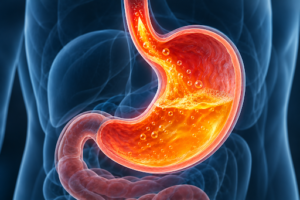
Not all acid comes from what you eat or drink. Stomach acid entering the mouth through gastro-oesophageal reflux disease (GERD) can contribute to dental erosion. [4]
A meta-analysis examining 28 studies found that dental erosion occurred substantially more frequently among people with GERD, with GERD associated with a significantly increased risk of dental erosion. [5]
Could Your Teeth Be Showing Signs of Reflux?
One particularly important consideration is silent reflux. You do not necessarily need to experience obvious heartburn to have reflux.
In some cases, the location and pattern of enamel erosion can give your dentist useful information. Gastric acid often affects surfaces facing towards the palate, while dietary acids can create different patterns of wear. [4]
This is where looking beyond the individual tooth becomes important. If we suspect reflux could be contributing to your enamel loss, simply restoring the appearance of the teeth may not address the underlying problem.
Where appropriate, we may recommend discussing your symptoms with your GP or another medical professional.
5. Tooth Grinding and Mechanical Wear
Acid isn’t the only way tooth structure can be lost. Bruxism (clenching or grinding your teeth), can contribute to mechanical tooth wear. Repeated tooth-to-tooth contact can gradually make the biting edges:
- shorter
- flatter
- thinner
- chipped
- uneven
Things can become more complicated when different causes interact. For example, acid may soften the tooth surface while repeated grinding places additional mechanical forces on already compromised teeth. This is why we may consider your bite, tooth-wear pattern, jaw function, grinding habits, lifestyle and sleep rather than simply looking at tooth colour.
What Is Tooth Wear?
“Tooth wear” is a broader term describing the gradual loss of tooth structure that isn’t primarily caused by tooth decay. Different processes can contribute.
Erosion involves chemical loss of tooth structure caused by acids.
Attrition involves tooth-to-tooth contact and can be associated with grinding or clenching.
Abrasion describes mechanical wear from external factors.
In real life, these processes don’t always occur independently. Some patients have several contributing factors. Understanding which process is occurring and why is therefore an important part of deciding what to do next.
6. Dry Mouth and Reduced Saliva
Saliva is one of your mouth’s most important natural defence systems. It helps:
- dilute and clear acids
- buffer changes in oral pH
- lubricate oral tissues
- supply minerals involved in remineralisation
When salivary flow is reduced, teeth can have less natural protection against acidic challenges. [6]
Dry mouth can have many possible causes, including certain medications, dehydration and medical conditions.
If your mouth frequently feels dry, particularly overnight or when you wake up, mention this during your dental examination. At Optimal Dental Health, saliva forms part of the wider oral environment we consider when investigating tooth wear and erosion.
7. Enamel Hypoplasia and Developmental Enamel Conditions
Not all unusual-looking enamel has been worn away. Sometimes enamel looks different because of how it originally developed. Developmental enamel conditions can include:
- enamel hypoplasia
- hypomineralisation
- molar-incisor hypomineralisation (MIH)
- fluorosis
- amelogenesis imperfecta
Enamel hypoplasia is a quantitative defect in which insufficient enamel develops, whereas hypomineralisation affects the quality or mineralisation of the enamel. [7]
Developmental enamel defects can be associated with changes in appearance, sensitivity and susceptibility to other dental problems. [8]
It is important to distinguish these conditions from erosion because their management may be different.
Are See-Through Teeth a Sign of Enamel Loss?
Sometimes, but not always. Healthy enamel is naturally translucent. A small amount of translucency around the tips of your front teeth therefore does not necessarily mean that you are losing enamel.
We become more interested when the translucency is:
- progressively increasing
- appearing somewhere that was previously opaque
- accompanied by sensitivity
- associated with shortening or thinning teeth
- accompanied by chips or cracks
- associated with smooth, cupped or worn surfaces
- occurring alongside increasing yellowing
A clinical examination with one of our London dentists can establish whether there are signs of active tooth wear and help identify the likely cause.
Can Teeth Look More Transparent After Whitening?
Sometimes patients notice that their teeth appear different immediately after whitening. This does not necessarily mean that enamel has suddenly disappeared.
Changes in tooth hydration can temporarily affect how teeth reflect light and therefore how their colour is perceived. Clinical research has demonstrated that relatively short periods of dehydration can produce measurable changes in tooth colour. [9]
This is one reason dentists should assess the final appearance of teeth once they have had sufficient time to rehydrate following certain procedures. If your teeth continue to look unusually translucent after whitening, particularly if you also have sensitivity or existing erosion, have them assessed before repeatedly applying additional whitening products.
Can Translucent Teeth Become White Again?
It depends entirely on why the teeth are translucent. If the appearance is simply part of your natural tooth anatomy, treatment may not be necessary at all.
If enamel has physically been lost through erosion or wear, it cannot simply regenerate to its original thickness. However, early surface mineral loss and the remaining tooth structure may be supported through appropriate preventive strategies.
Depending on the individual patient, management might involve:
- reducing excessive acid exposure
- investigating possible reflux
- improving saliva protection
- personalised oral hygiene advice
- appropriate remineralisation strategies
- addressing tooth grinding or clenching
- monitoring tooth wear
- composite bonding where appropriate
- other minimally invasive restorative dentistry
The crucial point is that we want to control the cause before simply covering up the cosmetic signs. Otherwise, tooth wear may continue.
How Do We Treat Translucent Teeth?
There isn’t one standard treatment for see-through teeth. At Optimal Dental Health, we prefer to think about treatment in stages.
Step 1: Identify the Cause
Is the translucency natural? Or are we seeing erosion, grinding, reflux, dry mouth, developmental enamel changes or several factors interacting?
Step 2: Reduce Further Damage
Once we’ve identified likely contributing factors, we can create an individual prevention strategy.
This could involve changes to acid exposure, investigating reflux, supporting saliva, addressing grinding or recommending an appropriate toothpaste or remineralisation strategy.
Step 3: Protect and Monitor the Teeth
Preserving healthy natural tooth structure is our priority. Where appropriate, we can monitor wear over time rather than immediately carrying out restorative treatment.
Step 4: Restore the Tooth if Necessary
If enamel loss has affected the strength, function or appearance of the tooth, minimally invasive restorative treatment such as composite bonding may sometimes be appropriate. The appropriate option depends on the individual tooth and, importantly, whether the underlying cause has been controlled.
Why We Don’t Just Cover Up Translucent Teeth
Cosmetic treatment isn’t necessarily the first answer. If your enamel is being damaged by repeated acid exposure, reflux or another ongoing process, simply changing the appearance of the tooth doesn’t address why it happened. At Optimal Dental Health, we therefore start with a different question: Why are your teeth becoming translucent?
Depending on what we find, we may consider your:
Enamel → Diet → Acid exposure → Saliva → Reflux → Grinding → Bite → Sleep → Wider health
Once we understand the likely contributing factors, we can develop a plan designed to preserve as much healthy natural tooth structure as possible.
How Can I Stop My Teeth Becoming More Transparent?
If erosion is contributing to your translucent teeth, reducing the frequency of acid exposure can be particularly important.
Try to avoid continuously sipping acidic drinks throughout the day. Having acidic drinks with a meal rather than repeatedly between meals can help reduce the frequency of exposure.
Avoid swishing acidic drinks around your mouth or deliberately holding them against your teeth.
After significant acidic exposure or an episode of reflux, rinsing with water can help clear acids. The American Dental Association also advises against brushing immediately following significant acidic exposure because the enamel surface may temporarily be more vulnerable.
Your dentist or hygienist may recommend a personalised toothpaste, sensitivity product or remineralisation strategy depending on your enamel, diet, decay risk and wider oral health.
What Happens at an Appointment for Translucent Teeth?
If you’ve noticed your teeth becoming transparent, your appointment shouldn’t simply be about deciding whether you need cosmetic dentistry.
We take a whole-person approach to tooth wear.
Your assessment may include consideration of:
- enamel thickness and quality
- where tooth structure appears to have been lost
- patterns of dental erosion
- tooth sensitivity
- your bite
- grinding or clenching
- jaw function
- dietary habits
- acidic drinks
- dry mouth and saliva
- reflux symptoms
- oral hygiene
- previous dental treatment
- lifestyle factors
- relevant aspects of your wider health
We can then explain what we see and discuss whether you need treatment, prevention, monitoring or further investigation.
Having translucent teeth does not automatically mean you need bonding, veneers or extensive dental treatment. Sometimes reassurance and prevention are all that are required.
When Should I See a Dentist About Transparent Teeth?
Consider booking an assessment if your teeth have recently become more transparent or the appearance is getting progressively worse.
You should also seek advice if you notice:
- new tooth sensitivity
- thinning front teeth
- chipped or breaking edges
- increasing yellowing
- changes to your bite
- visible tooth wear
- frequent acid reflux
- persistent dry mouth
- discomfort when eating hot, cold or acidic foods
Early identification gives you the opportunity to address contributing factors before significant amounts of natural tooth structure are lost.
Frequently Asked Questions About See-Through Teeth
Why are the tips of my front teeth see-through?
The biting edges of front teeth can naturally look translucent because enamel allows some light to pass through it and there may be relatively little dentine underneath the very edge.
However, translucency that is new or becoming more noticeable can also be associated with thinning enamel or tooth wear.
Are translucent teeth normal?
Yes, a small degree of translucency can be completely normal, particularly around the edges of your front teeth. You should consider having them assessed if the translucency is new, increasing or accompanied by sensitivity, yellowing, chipping or visible wear.
Why are my teeth suddenly becoming see-through?
A noticeable change may be associated with enamel erosion or tooth wear. Potential contributing factors include frequent acidic food and drinks, acid reflux, grinding, reduced saliva and certain developmental enamel conditions.
A dental examination is needed to determine the cause in an individual patient.
Does see-through enamel mean my teeth are unhealthy?
Not necessarily. Natural enamel has translucent properties. The concern is when the appearance represents progressive enamel loss, erosion or another change to the tooth structure.
Can enamel grow back?
Enamel that has been physically lost cannot regenerate to its original thickness. However, early mineral loss at the tooth surface may be supported through appropriate remineralisation and preventive strategies.
Can lemon water make my teeth transparent?
Frequent exposure to acidic drinks, including lemon water, can contribute to dental erosion in susceptible individuals. Frequency is particularly important. Slowly sipping an acidic drink throughout the day can repeatedly expose the teeth to acid.
Can apple cider vinegar damage tooth enamel?
Apple cider vinegar is acidic, so frequent or prolonged contact with the teeth can contribute to an erosive environment. If you regularly consume acidic wellness drinks, discuss this with your dentist so they can advise you on reducing unnecessary exposure.
Can acid reflux damage tooth enamel?
Yes. Gastric acid reaching the mouth can contribute to erosive tooth wear, and research has found a significant association between GERD and dental erosion.[5]
Importantly, some people experience reflux without obvious heartburn.
Why do my teeth look transparent and yellow?
Enamel is relatively translucent, while the dentine underneath it has a naturally warmer, yellow tone. As enamel becomes thinner, more dentine may become visible. This can make parts of the tooth appear increasingly translucent while the overall tooth also appears yellower.
Can translucent teeth be fixed?
Often, yes, but whether they actually need to be “fixed” depends on the cause. Natural translucency may require no treatment.
Where there is enamel erosion or tooth wear, treatment may involve controlling the underlying cause, preventive care, remineralisation strategies and, where appropriate, minimally invasive composite bonding or other restorative treatment.
Is composite bonding good for translucent teeth?
Composite bonding can sometimes be used to restore tooth shape or appearance where enamel has been lost. However, it is important to establish why the tooth has worn down first. If erosion, grinding or another process is still active, this should form part of the treatment plan.
Should I whiten translucent teeth?
If translucency is related to enamel thinning, whitening alone does not address the underlying cause. Have your enamel assessed first so your dentist can advise whether whitening is appropriate.
What toothpaste is best for translucent teeth?
There is no single toothpaste that is right for every patient. The most appropriate recommendation depends on factors such as enamel erosion, sensitivity, decay risk, diet and other oral-health findings.
Your dentist or hygienist can recommend an appropriate product after assessing your teeth.
Worried About See-Through Teeth? Find Out What’s Causing Them
If you’ve noticed that your teeth are becoming more transparent, translucent, thinner, yellower or sensitive, don’t focus only on changing how they look. The first step is understanding why they are changing.
At Optimal Dental Health in Baker Street, London, we take a whole-person approach to dental care. When investigating tooth wear, we can consider your enamel, diet, saliva, bite, grinding, lifestyle, reflux risk and wider health rather than looking at the tooth in isolation.
Our aim is to identify contributing factors early, protect your remaining natural enamel and recommend the most appropriate treatment only where it is genuinely needed.
Concerned about translucent or thinning teeth?
Book a comprehensive dental assessment with our team at Optimal Dental Health in Baker Street, Marylebone. We can assess whether the appearance is normal or related to enamel erosion, tooth wear, grinding, reflux or another underlying cause.
Call 020 3921 1000
Email hello@optimaldental.co.uk
Written and clinically reviewed by Dr James Goolnik BDS MSc, Dentist and Founder of Optimal Dental Health | Updated September 2026
About the Author: Dr James Goolnik

Dr James Goolnik is Clinical Director of Optimal Dental Health in London and has more than 30 years of experience in dentistry.
His approach focuses on the relationship between oral health and whole-body health, with a strong emphasis on prevention, minimally invasive dentistry and identifying the factors contributing to dental disease.
Dr Goolnik and the multidisciplinary team look beyond individual teeth to consider factors including nutrition, sleep, breathing, stress, the oral microbiome and lifestyle when developing personalised care plans.
Clinical References
[1] American Dental Association. Dental Erosion. Overview of the causes, diagnosis, prevention and management of erosive tooth wear.
https://www.ada.org/resources/ada-library/oral-health-topics/dental-erosion
[2] American Dental Association. Nutrition and Oral Health. Evidence summary discussing dietary acids and erosive tooth wear.
https://www.ada.org/resources/ada-library/oral-health-topics/nutrition-and-oral-health
[3] Ehlen LA, Marshall TA, Qian F, Wefel JS, Warren JJ. Acidic beverages increase the risk of in vitro tooth erosion. Nutrition Research. 2008;28(5):299–303.
https://pmc.ncbi.nlm.nih.gov/articles/PMC2516950/
[4] Ranjitkar S, Kaidonis JA, Smales RJ. Gastroesophageal reflux disease and tooth erosion.
https://pmc.ncbi.nlm.nih.gov/articles/PMC4196415/
[5] Yanushevich OO et al. Prevalence and Risk of Dental Erosion in Patients with Gastroesophageal Reflux Disease: A Meta-Analysis. Dentistry Journal. 2022;10(7):126.
https://pmc.ncbi.nlm.nih.gov/articles/PMC9316498/
[6] Buzalaf MAR, Hannas AR, Kato MT. Saliva and dental erosion. Journal of Applied Oral Science. 2012;20(5):493–502.
https://pmc.ncbi.nlm.nih.gov/articles/PMC3881791/
[7] Martins DS et al. Developmental Defects of Enamel. Monographs in Oral Science. 2024;32:10–34.
https://pubmed.ncbi.nlm.nih.gov/39321764/
[8] Seow WK et al. Developmental defects of enamel and dentine: challenges for basic science research and clinical management. Australian Dental Journal.
https://pubmed.ncbi.nlm.nih.gov/24164394/
[9] Vichi A et al. Clinical effects of dehydration on tooth color: How much and how long? Journal of Esthetic and Restorative Dentistry. 2020.
https://pubmed.ncbi.nlm.nih.gov/32573090/