Why Do I Keep Getting Cavities Even Though I Brush and Floss?
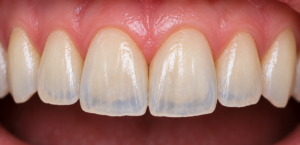
If you are brushing and cleaning between your teeth but still developing cavities, the problem may not simply be your cleaning technique. Tooth decay develops when repeated acid attacks outweigh your saliva’s ability to protect and repair the enamel. Diet frequency, dry mouth, medications, mouth breathing, existing dental work and the balance of bacteria in the mouth may all contribute. [1],
At Optimal Dental Health in Baker Street, London, we take a holistic approach to cavity prevention. Rather than simply filling cavities as they appear, we investigate why they developed in the first place. This includes assessing your oral microbiome, saliva quality, nutrition, breathing patterns, stress levels and overall health to help reduce your risk of future decay.
Why Do Some People Get More Cavities Than Others?
One of the biggest myths in dentistry is that cavities are caused purely by not brushing your teeth. In reality, brushing and flossing are only two pieces of a much larger puzzle. Your risk of developing cavities depends on factors including:
- Your oral microbiome
- Saliva quantity and quality
- Diet and frequency of eating
- Mouth breathing
- Acid exposure
- Stress
- Sleep quality
- Medications
- Medical conditions
- Genetics
- Existing dental restorations
- Overall lifestyle
This explains why one person may rarely brush yet never develop cavities, while another follows an excellent oral hygiene routine but continues to experience tooth decay.
What Actually Causes a Cavity?
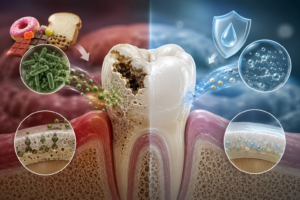
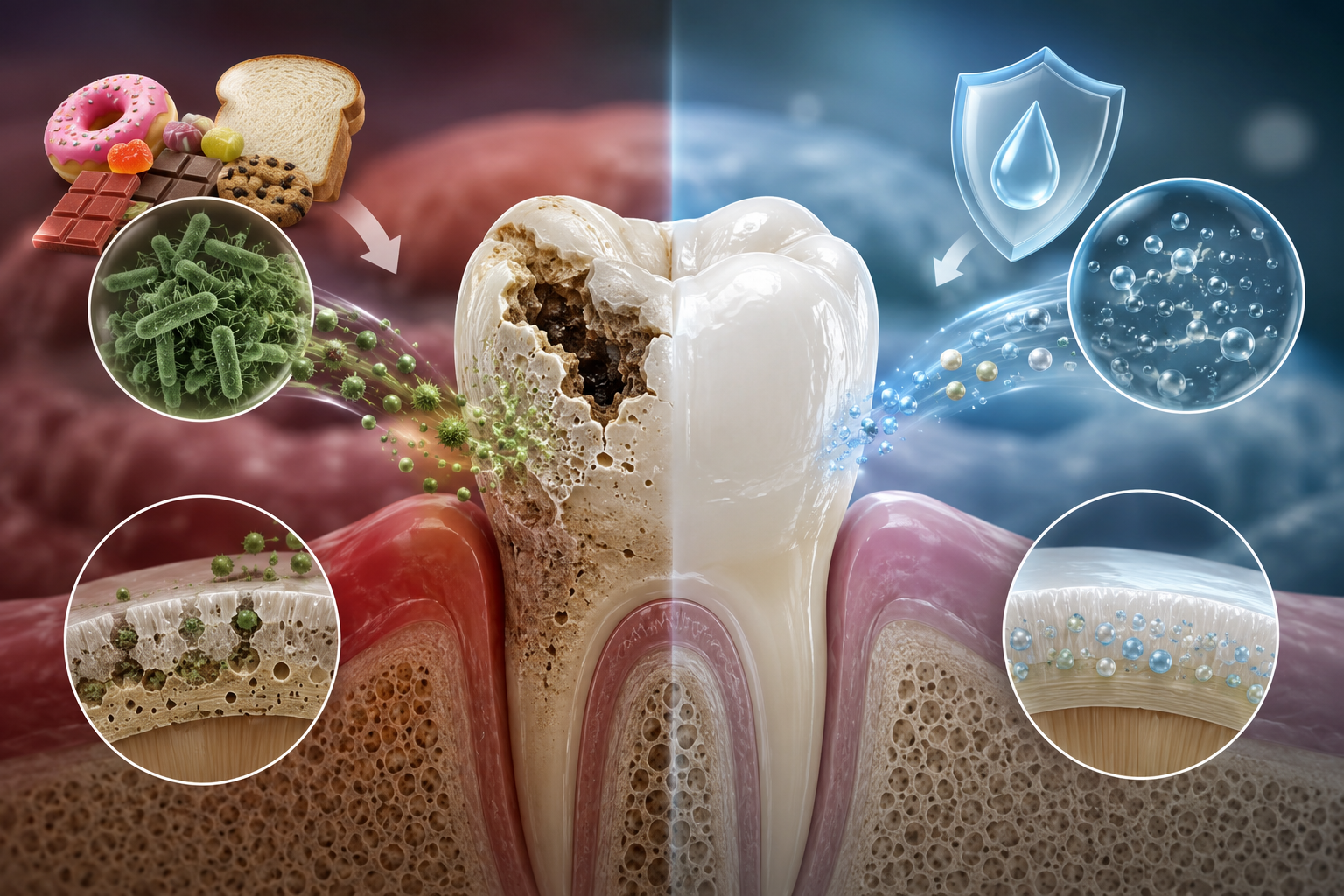
For a cavity to develop you need four things. Teeth, bacteria, time and sugar. The bacteria within dental plaque metabolise sugars and refined carbohydrates. These bacteria produce acids which lower the pH inside your mouth.
When the mouth remains acidic for prolonged periods, minerals such as calcium and phosphate are pulled from the enamel. This process is called demineralisation [2]. Normally, saliva helps repair this damage through remineralisation.
However, if acid attacks occur too frequently or saliva cannot keep up, permanent tooth decay begins. The important point is this:
Cavities are not simply caused by sugar, they are caused by an imbalance between acid attacks and your body’s ability to repair your teeth.
Your Oral Microbiome Could Be the Missing Piece
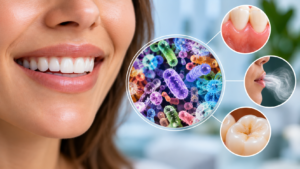
Your mouth contains over 700 different species of bacteria. Many are beneficial and actually help protect your teeth. Problems arise when harmful acid-producing bacteria become dominant.
These include bacteria such as:
- Streptococcus mutans
- Lactobacillus species
This imbalance is known as oral dysbiosis [3]. At Optimal Dental Health, we understand that the goal isn’t to eliminate bacteria, it is to encourage a healthier, more balanced oral microbiome.
In selected patients, saliva or oral microbiome testing may provide additional information about the balance of bacteria and other factors associated with decay risk. The results should be interpreted alongside a dental examination, radiographs, dietary history, saliva assessment and existing restorations.
Brushing Isn’t Enough if Your Diet Is Working Against You

Most people focus on how much sugar they eat. What’s often more important is how often you eat [5]. Every time you snack on carbohydrates or sugary foods, bacteria produce acid for approximately 30 minutes. If you are constantly grazing throughout the day, your teeth may never have an opportunity to recover.
Common hidden sources of sugar include:
- Breakfast cereals
- Protein bars
- Smoothies
- Dried fruit
- Fruit juices
- Sports drinks
- Flavoured yoghurts
- Coffee syrups
- Fizzy drinks
Even seemingly healthy foods can contribute if consumed frequently. Rather than eliminating every carbohydrate, aim to give your mouth time to return to a healthy pH between meals.
Dry Mouth Is One of the Biggest Causes of Tooth Decay
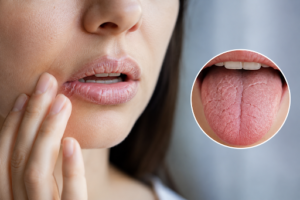
Saliva is one of the body’s greatest natural defences against cavities [4]. It helps to neutralise acids, wash away food debris, deliver minerals for enamel repair, control harmful bacteria and lubricate oral tissues.
If you suffer from a dry mouth, your cavity risk increases significantly [5].
Dry mouth may result from:
- Antidepressants
- Blood pressure medication
- Antihistamines
- Diabetes
- Autoimmune conditions
- Mouth breathing
- Dehydration
- Ageing
- Chemotherapy
- Stress
Many patients don’t even realise they have reduced saliva until multiple cavities begin appearing.
Mouth Breathing Could Be Damaging Your Teeth
Many people breathe through their mouth while sleeping without knowing it. Mouth breathing dries the teeth and gums, reducing saliva’s protective effects. It is also associated with:
- Poor sleep
- Snoring
- Airway problems
- Increased plaque accumulation
- Higher cavity rates
- Gum disease
- Bad breath
At our holistic dental practice in London, located just minutes from Baker Street, we routinely assess airway health and breathing patterns because healthy breathing supports healthy teeth. We also have a sleep and airway dentist, Dr Aoife Stack, who can support both adults and children with functional airway dentistry.
Stress Can Increase Your Risk of Cavities
Stress doesn’t directly cause cavities, but it influences many of the factors that do. Chronic stress can contribute to:
- Teeth grinding (bruxism)
- Reduced saliva production
- Weakened immune function
- Increased cravings for sugary foods
- Poor sleep quality
- Neglect of oral hygiene routines
High cortisol levels also affect inflammation throughout the body, including the mouth. Taking a holistic approach means recognising that emotional wellbeing plays an important role in oral health.
Acid Is Just as Harmful as Sugar
You don’t need to eat sweets to damage your enamel. Acidic foods and drinks gradually soften enamel, making teeth more vulnerable. Examples include:
- Lemon water
- Kombucha
- Vinegar dressings
- Wine
- Sparkling water
- Citrus fruits
- Sports drinks
- Energy drinks
Rather than avoiding these completely, reduce prolonged exposure and avoid brushing immediately after acidic foods, as softened enamel can become damaged.
Looking for personalised nutrition? You can find out more about our nutritionist, Zara Stella here.
Are Your Fillings Hiding New Decay?
Older fillings don’t last forever. Small gaps can develop around restorations where bacteria become trapped. This is called secondary decay and is one of the most common reasons existing fillings require replacement. Regular dental examinations allow these areas to be detected before they become larger problems.
Your Gut Health May Influence Your Oral Health
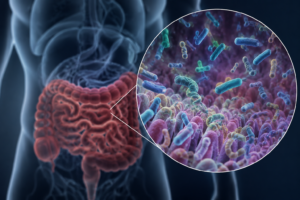
Research increasingly shows that the mouth and gut are closely connected. The oral microbiome and gut microbiome communicate through the digestive tract and immune system.
Factors affecting gut health include:
- Antibiotic use
- Highly processed diets
- Chronic inflammation
- Poor sleep
- Stress
Supporting your gut through a balanced diet rich in fibre, vegetables and fermented foods may also benefit your oral microbiome. This growing field highlights that dentistry is about far more than teeth alone.
Can Teeth Rebuild Themselves?
In the early stages, yes. Before a cavity forms, enamel can often remineralise naturally. This requires:
- Healthy saliva
- Remineralising hydroxyapatite toothpaste
- Good nutrition
- Reduced sugar frequency
- Stable oral bacteria
Once a physical hole develops, however, the tooth cannot rebuild itself and usually requires treatment. Early diagnosis is therefore essential.
Our Holistic Approach to Preventing Cavities
At Optimal Dental Health, we don’t simply ask: “Where is the cavity?” We ask: “Why did it happen?”
Your personalised assessment may include:
- Comprehensive 15-point dental health check
- Digital imaging
- Oral cancer screening
- Saliva assessment
- Oral microbiome testing
- Dietary analysis
- Airway assessment
- Bite evaluation
- Lifestyle discussion
- Gum health assessment
- Personalised prevention plan
By identifying the underlying causes of tooth decay, we aim to reduce the likelihood of future cavities, not simply repair today’s.
How Can You Reduce Your Risk of Cavities Naturally?
Simple lifestyle changes can make a significant difference. These include:
- Brush twice daily.
- Floss between your teeth every day.
- Limit frequent snacking.
- Drink plenty of water.
- Breathe through your nose whenever possible.
- Improve sleep quality.
- Reduce stress through regular exercise or mindfulness.
- Eat mineral-rich foods including leafy greens, dairy, nuts and oily fish.
- Attend regular dental examinations and hygiene appointments.
- Consider oral microbiome testing if you continue developing cavities despite good oral hygiene.
Why Early Prevention Matters
Many cavities develop silently. By the time discomfort occurs, significant tooth structure may already be lost. Regular preventive appointments allow dentists to identify:
- Early enamel changes
- Weak areas
- Hidden decay
- Saliva issues
- Bite problems
- Gum disease
- Oral microbiome imbalance
Treating these issues early is often less invasive, less costly and better for your long-term health.
Frequently Asked Questions
Why do I keep getting cavities even though I brush twice a day?
Brushing is only one part of cavity prevention. Your diet, saliva, oral microbiome, mouth breathing, medications, stress levels and overall health all influence your risk of tooth decay.
Can stress really cause cavities?
Stress doesn’t directly create cavities, but it can reduce saliva, increase sugar cravings, affect sleep and contribute to teeth grinding, all of which increase your risk.
Is sugar the only cause of cavities?
No. Frequent carbohydrate consumption, acidic foods, dry mouth, oral bacteria and lifestyle factors are equally important contributors.
Can saliva testing help prevent cavities?
Yes. Saliva and oral microbiome testing can identify bacterial imbalances and risk factors that aren’t visible during a routine examination, allowing for more personalised prevention.
Why do adults suddenly start getting cavities?
Changes in medication, hormone levels, dry mouth, diet, stress, ageing, gum recession and existing dental work can all increase cavity risk later in life.
Is mouth breathing bad for your teeth?
Yes. Mouth breathing dries the mouth, reduces saliva protection and increases the risk of cavities, gum disease and bad breath. Our functional airway dentist Dr Aoife Stack is on-hand should you have any concerns about your airway, breathing and jaw function.
Take a Proactive Approach to Your Oral Health
If you’re repeatedly developing cavities despite brushing and flossing carefully, it may be time to look beyond your toothbrush. You can find some of our recommended eco-friendly floss brands here.
At Optimal Dental Health in Baker Street, London, we believe prevention starts with understanding the whole person, not just the tooth. Our comprehensive 15-Point Dental Health Check combines advanced diagnostics with a holistic assessment of your oral microbiome, diet, breathing, saliva and lifestyle to uncover the root causes of recurring tooth decay.
Whether you’re concerned about frequent cavities, sensitive teeth or simply want to take a more preventative approach to your oral and overall health, our team is here to help.
Book your comprehensive dental health assessment today and discover a personalised plan designed to keep your smile healthier for years to come.
About the Author: Dr James Goolnik BDS

Dr James Goolnik is the Clinical Director of Optimal Dental Health in Baker Street, London, and one of the UK’s leading advocates of holistic and biological dentistry. With over 30 years of clinical experience, he has a particular interest in preventive dentistry, oral microbiome health, airway-focused care and the relationship between oral health and whole-body wellbeing.
James is internationally recognised for his evidence-based approach, combining advanced dental technology with personalised, minimally invasive care to help patients achieve long-term oral health rather than simply treating disease as it occurs. He regularly lectures on the connection between oral health and systemic health, helping both patients and healthcare professionals better understand the importance of prevention.
Join Our Monthly Newsletter