Mercury Filling Removal Aftercare | SMART Biological Dentistry
If you have recently had a mercury filling removed, it’s natural to wonder what happens next. Many of you ask whether you need to follow a special diet or take supplements. For most patients, we do not recommend aggressive detoxification protocols immediately after treatment; just drink 3-4 litres over the rest of the day.
The focus should be on supporting your normal healing processes through good nutrition, hydration, quality sleep and following the personalised advice provided by your dentist.
At Optimal Dental Health, we use the internationally recognised IAOMT SMART (Safe Mercury Amalgam Removal Technique) protocol to help minimise mercury exposure during treatment. Once your appointment is complete, the priority becomes helping your mouth recover comfortably while maintaining excellent oral and general health.
In this guide, we’ll explain exactly what to expect after treatment, what you can do to support recovery, and separate evidence-based advice from common myths.

What Should You Do in the First 24 Hours After Mercury Filling Removal?
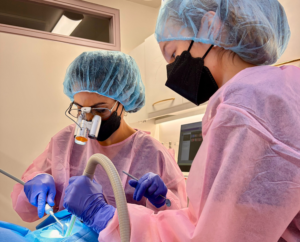
For most people, the first 24 hours after amalgam removal are straightforward. If you have had a local anaesthetic, avoid eating until the numbness has worn off to reduce the risk of accidentally biting your cheek, lip or tongue.
If the treated tooth feels sensitive, softer foods may be preferable and it can be helpful to avoid very hot, cold or hard foods temporarily. Continue your usual oral hygiene routine, brushing gently around any tender areas, and avoid smoking where possible. Follow the personalised aftercare instructions provided by your dentist, as these may vary depending on the number and size of fillings removed and the type of restoration placed.
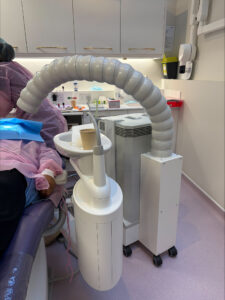
If your bite feels unusually high, or you develop significant or worsening pain, swelling or other unexpected symptoms, contact your dental team for advice. We are proud to provide you with state-of-the-art technology during SMART amalgam removal, including the IQair Dental Air Purifier.
What Happens After Mercury Filling Removal?
Once the amalgam filling has been removed using measures designed to minimise unnecessary mercury exposure, your tooth and surrounding tissues simply need time to settle.
You may experience:
- Mild tooth sensitivity to hot or cold foods
- Slight tenderness around the tooth
- Minor jaw stiffness if your mouth has been open for an extended period
- Temporary gum tenderness
These symptoms are usually short-lived and improve over the following few days.
What Is Used to Replace a Mercury Amalgam Filling?
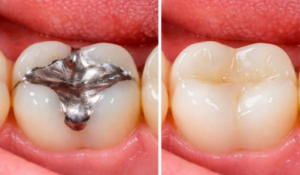
Once an amalgam filling has been removed, the tooth needs to be carefully restored to protect its strength, function and appearance. The most appropriate material will depend on factors such as the size and location of the filling, how much healthy tooth structure remains, your bite and your individual treatment needs.
At Optimal Dental Health, we take a biocompatible approach to restorative dentistry, selecting high-quality materials that are BPA-free where clinically appropriate and aiming to minimise unnecessary exposure to materials of concern.
For smaller restorations, a tooth-coloured composite material may be suitable. Where a tooth has lost more of its natural structure or requires additional strength, a ceramic restoration, such as an inlay, onlay or crown, may be recommended instead.
We will assess the tooth carefully and discuss the available options with you, balancing biocompatibility, durability, function, aesthetics and preservation of healthy tooth structure.
If you have particular concerns about dental materials or sensitivities, we can also discuss our approach to biocompatible dentistry and dental material selection as part of your personalised treatment planning.
Stay Well Hydrated

One of the simplest things you can do after mercury filling removal is to stay well hydrated. Water supports many of the body’s normal physiological processes and also helps maintain healthy saliva production.
Saliva plays an important role in:
- Protecting enamel
- Neutralising acids
- Supporting the oral microbiome
- Helping tissues heal naturally
- Reducing the risk of tooth decay
Aim to drink water consistently throughout the day rather than consuming large amounts all at once.
Focus on a Nutrient-Rich Diet

Your mouth heals best when your body has the nutrients it needs. Rather than searching for restrictive “detox diets,” focus on eating a varied, balanced diet rich in whole foods.
Good options include:
- Colourful vegetables
- Fresh fruit
- Oily fish
- Eggs
- Lean proteins
- Nuts and seeds
- Healthy fats such as olive oil
- Whole grains where appropriate
These foods provide vitamins, minerals and antioxidants that contribute to normal immune function and tissue repair.
Can Certain Foods Help Recovery?
Some choose to include foods naturally rich in nutrients involved in normal cellular function, including:
- Leafy green vegetables
- Berries
- Brazil nuts (which naturally contain selenium)
- Pumpkin seeds
- Avocados
- Beans and legumes
These foods are simply part of a healthy balanced diet. The goal is to support overall wellbeing rather than trying to achieve a rapid “cleanse.”
Should You Take Supplements?
This is one of the most common questions you ask. Some people choose to take supplements following dental treatment, but there is no universally recommended supplement protocol after mercury filling removal. Where appropriate, we can discuss personalised nutritional or supplement support based on your individual needs.
Supplements should always be discussed with your dentist, GP or qualified healthcare practitioner, particularly if you:
- Are pregnant
- Are breastfeeding
- Take prescription medications
- Have kidney disease
- Have underlying medical conditions
At Optimal Dental Health, we believe supplementation should always be personalised rather than following generic protocols found online.
Looking After Your Oral Microbiome
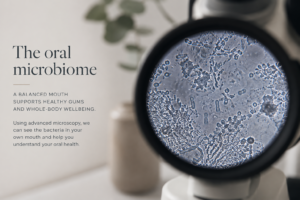
Your mouth contains billions of bacteria that together form the oral microbiome. Maintaining a healthy microbial balance may support long-term oral health.
Simple ways to support your oral microbiome include:
- Brushing twice daily
- Cleaning between your teeth
- Staying hydrated
- Reducing the frequency of sugar and refined carbohydrate exposure
- Attending regular hygiene appointments
- Following any home-care advice provided by your dentist
Prioritise Quality Sleep
Healing doesn’t just happen while you’re awake. Sleep is when many important repair processes occur throughout the body. Following your appointment, try to:
- Aim for 7-9 hours of quality sleep
- Keep a consistent bedtime
- Reduce evening screen exposure and start relaxing 90 minutes before sleep
- Create a cool, dark sleeping environment
Good sleep also supports immune function and overall wellbeing.
Gentle Movement Can Be Beneficial
Unless your dentist advises otherwise, gentle physical activity can help you feel your best. Examples include:
- Gently walking
- Gentle stretching
- Yoga
- Mobility exercises
There’s generally no need for prolonged bed rest after routine mercury filling removal. If you have had extensive dental treatment or sedation, follow the specific advice given by your dental team.
Avoid Smoking & Limit Alcohol
Smoking slows healing and increases the risk of gum disease and other oral health problems. If possible, avoid smoking after treatment. Similarly, limiting alcohol intake for the first day or two may help support recovery, particularly if your mouth feels tender.
Continue Excellent Oral Hygiene
Keeping your mouth clean remains one of the most important aspects of recovery. Continue:
- Brushing twice daily with a soft toothbrush
- Cleaning between your teeth
- Using any products recommended by your dentist
If the treated area feels tender, brush gently while still maintaining good plaque control.
Immediate Aftercare: The First 24 Hours Following Amalgam Removal
There is a great deal of information online about “mercury detoxes” after amalgam removal. It is important to distinguish between evidence-based advice and unsupported claims.[2]
What Actually Supports Recovery After Mercury Filling Removal?
Following mercury filling removal, it makes sense to focus on:
- Good hydration
- Balanced nutrition
- Quality sleep
- Gentle movement
- Excellent oral hygiene
- Following your dentist’s aftercare advice
- Attending recommended review appointments
These habits support your body’s normal recovery processes and contribute to overall health. Our role is to provide safe, evidence-informed dental treatment using recognised protocols and to support you through your recovery with personalised advice.
When Should You Contact Your Local Holistic Dentist?
Although complications are uncommon, you should contact your dentist if you experience:
- Severe or worsening pain
- Swelling that increases rather than improves
- Persistent bleeding
- Difficulty biting comfortably after several days
- A loose filling
- Signs of infection
- Any symptoms that concern you
Early assessment allows problems to be managed before they become more significant.
Why Choose a SMART Dentist for Mercury Filling Removal in London?
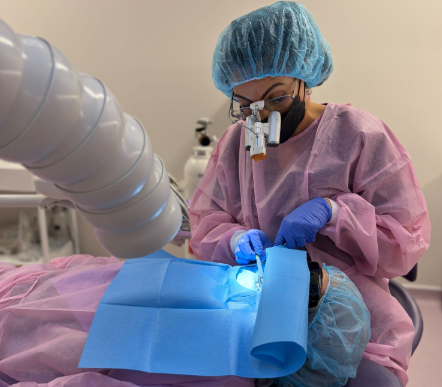
Not all amalgam removal is carried out in the same way. At Optimal Dental Health, our dentists follow the IAOMT SMART protocol, which incorporates multiple protective measures designed to minimise mercury exposure during removal.
These measures include:
- Rubber dam isolation
- High-volume suction
- Specialised air filtration
- Protective barriers
- Copious water irrigation
- Sectioning fillings into larger pieces where clinically appropriate
- Chlorella and activated charcoal
- Personal protective equipment for both patient and clinical team
Following treatment, we also provide personalised aftercare advice tailored to your individual needs rather than a one-size-fits-all approach.
Frequently Asked Questions
How long does it take to recover after mercury filling removal?
Most patients recover quickly. Mild sensitivity or tenderness usually settles within a few days, although deeper restorations may take longer to fully settle.
Is it normal to feel sensitive after amalgam removal?
Yes. Temporary sensitivity to hot, cold or pressure is common after replacing a filling and generally improves as the tooth settles.
Do I need a special mercury filling removal diet?
There is no scientifically established diet specifically required after mercury filling removal. A balanced, nutrient-rich diet that supports overall health is usually the best approach.
Should I take probiotics after dental treatment?
Some choose to use oral probiotics, but evidence is still developing. Your dentist can advise whether they may be appropriate for your individual circumstances.
Can mercury filling removal detox my body?
Removing an amalgam filling eliminates that filling as an ongoing source of mercury exposure, but we do not claim that the procedure itself “detoxes” the body or treats medical conditions. Our priority is to minimise unnecessary exposure during removal using the SMART protocol and to support normal recovery afterwards.
Do I Need a Mercury or Heavy Metals Test After Amalgam Removal?
Not everyone needs mercury or heavy metals testing after amalgam filling removal. Whether testing is appropriate depends on your individual circumstances, medical history, symptoms and potential sources of exposure.
If you have specific concerns about mercury exposure or your wider health, these should be discussed with an appropriately qualified healthcare professional, who can advise whether further investigation is clinically appropriate. The gold standard is the Quicksilver Tri test where the laboratory tests Methyl Mercury in your blood, hair and urine.
Book a Consultation at Optimal Dental Health
If you’re considering safe amalgam removal in London, our experienced biological dentists can assess your oral health, discuss your concerns and explain whether mercury filling replacement is appropriate for you.
Using internationally recognised SMART protocols and a personalised, whole-body approach to dentistry, we aim to help you make informed decisions about your oral health in a safe and supportive environment.
Book a consultation to discuss safe, personalised mercury filling removal with our biological dentistry team in London.
About the Author: Dr James Goolnik
Dr James Goolnik is a leading London dentist and founder of Optimal Dental Health. With over 30 years of clinical experience, he is recognised for his work in preventive and biological dentistry.
Dr Goolnik is a former President of the British Academy of Cosmetic Dentistry and has been consistently named among the UK’s most influential dental professionals. His approach focuses on minimally invasive, evidence-based dentistry with a strong emphasis on whole-body health, prevention, and patient education.
He is passionate about helping you make informed decisions about your oral health through clear communication and modern, science-led dental care.
Join Our Monthly Holistic Newsletter
Stay informed with the latest insights in biological dentistry, oral health, and whole-body wellbeing. Get expert tips from Dr James Goolnik and the Optimal Dental Health team delivered straight to your inbox.
👉 Join our newsletter today and take control of your oral health journey.